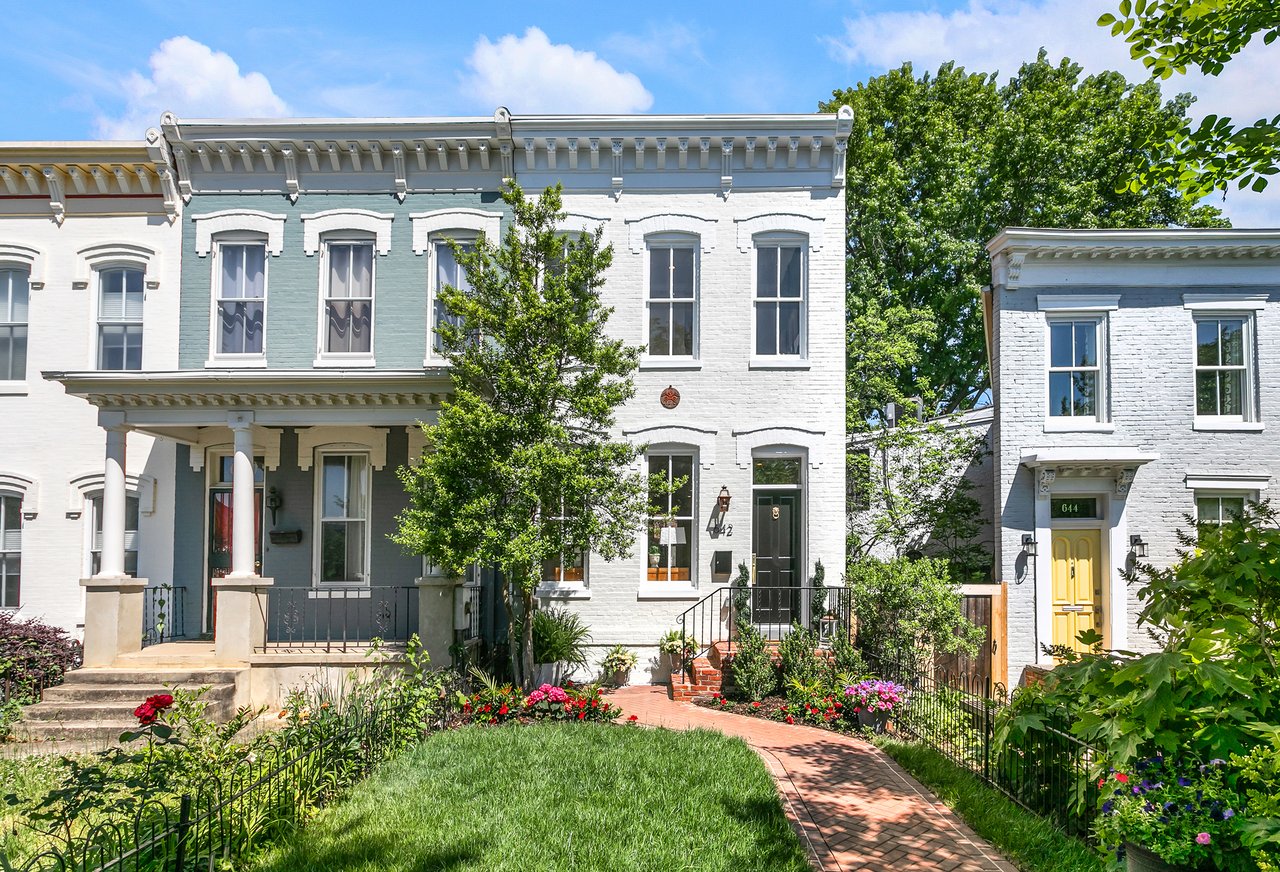
Spring Curb Appeal That Actually Matters
A real estate professional's take on first impressions, thoughtful exterior updates, and the details that quietly shape perceived value.
Washington, DC Real Estate
Spring has arrived in Washington, and with it comes the annual ritual of assessing what winter left behind. Whether you are preparing to list your home or simply ready to reclaim your outdoor space after months of neglect, May is prime time for transforming your property's exterior.
The pandemic fundamentally reshaped how we view outdoor space. What was once a nice-to-have became essential. Your yard is not just the approach to your home anymore — it is an extension of your living space. Whether you are selling this year or staying put, investing time in your home's exterior now pays dividends in enjoyment, property value, and that subtle pride that comes from a well-maintained home.
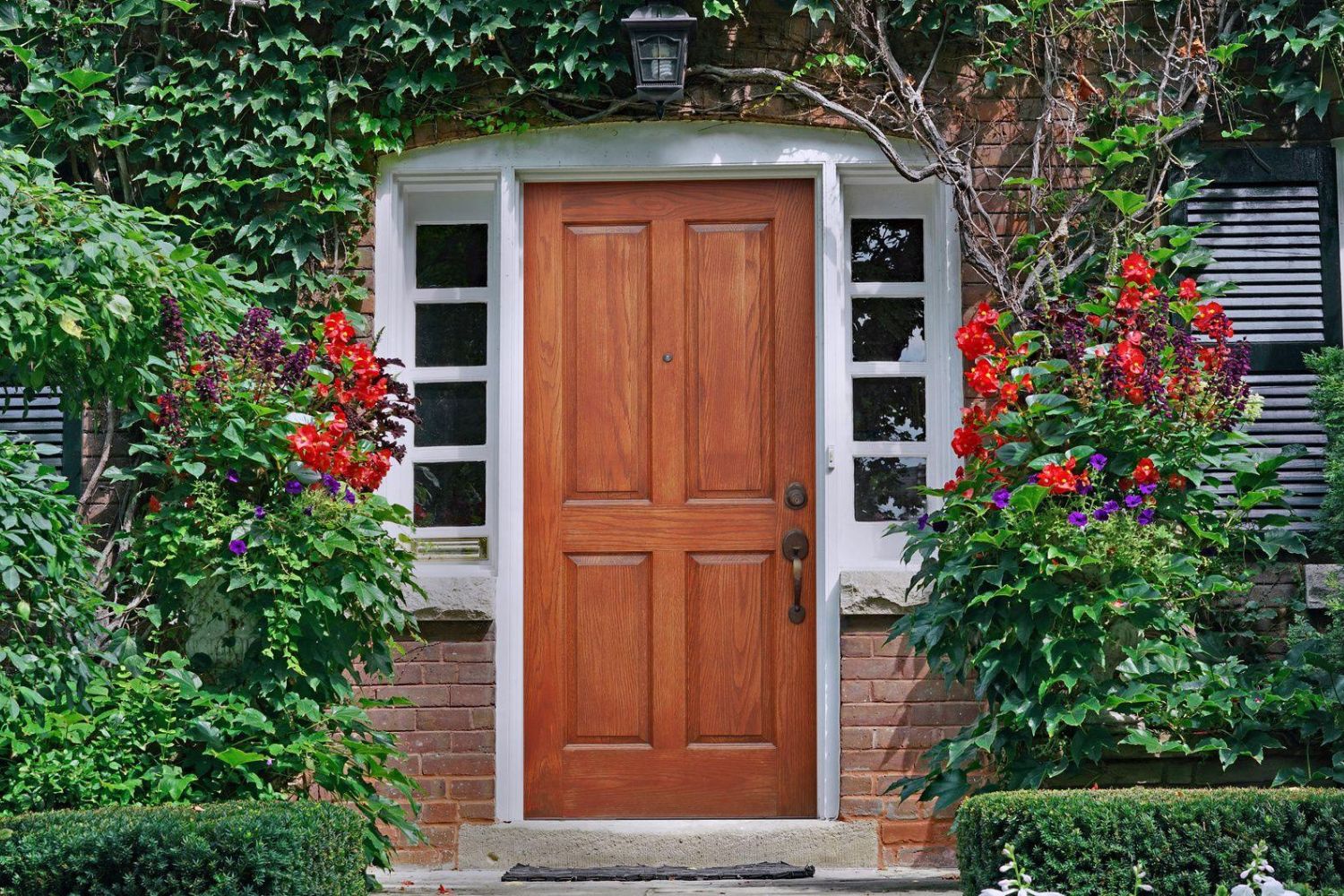
What Should You Plant for Front Yard Curb Appeal in Washington, DC?
In DC's zones 7a and 7b, May is the ideal window to establish plants before summer heat arrives — and the right choices now will carry your exterior through fall.
Perennials like coneflowers, black-eyed Susans, and salvia can go in the ground now and will reward you with color through fall. For immediate impact, consider summer annuals: begonias, zinnias, and impatiens for shade. These will carry you through the growing season and signal to visitors — or potential buyers — that the property is actively cared for.
Shrubs can also be planted now, though you will want to water consistently through their first summer. Boxwoods and azaleas are DC standards for good reason: they are reliable, evergreen or long-blooming, and fit our architectural vernacular. This applies whether you own a detached home in Chevy Chase or a townhouse in Cleveland Park — the principle is the same. Scale matters enormously. Do not buy the smallest shrubs for focal points. The three-gallon plants at the garden center look substantial in your cart, but once planted flanking your front steps or anchoring a corner, they read as timid.
Width and height matter. If you are creating foundation plantings or framing an entrance, invest in larger specimens that establish presence immediately.
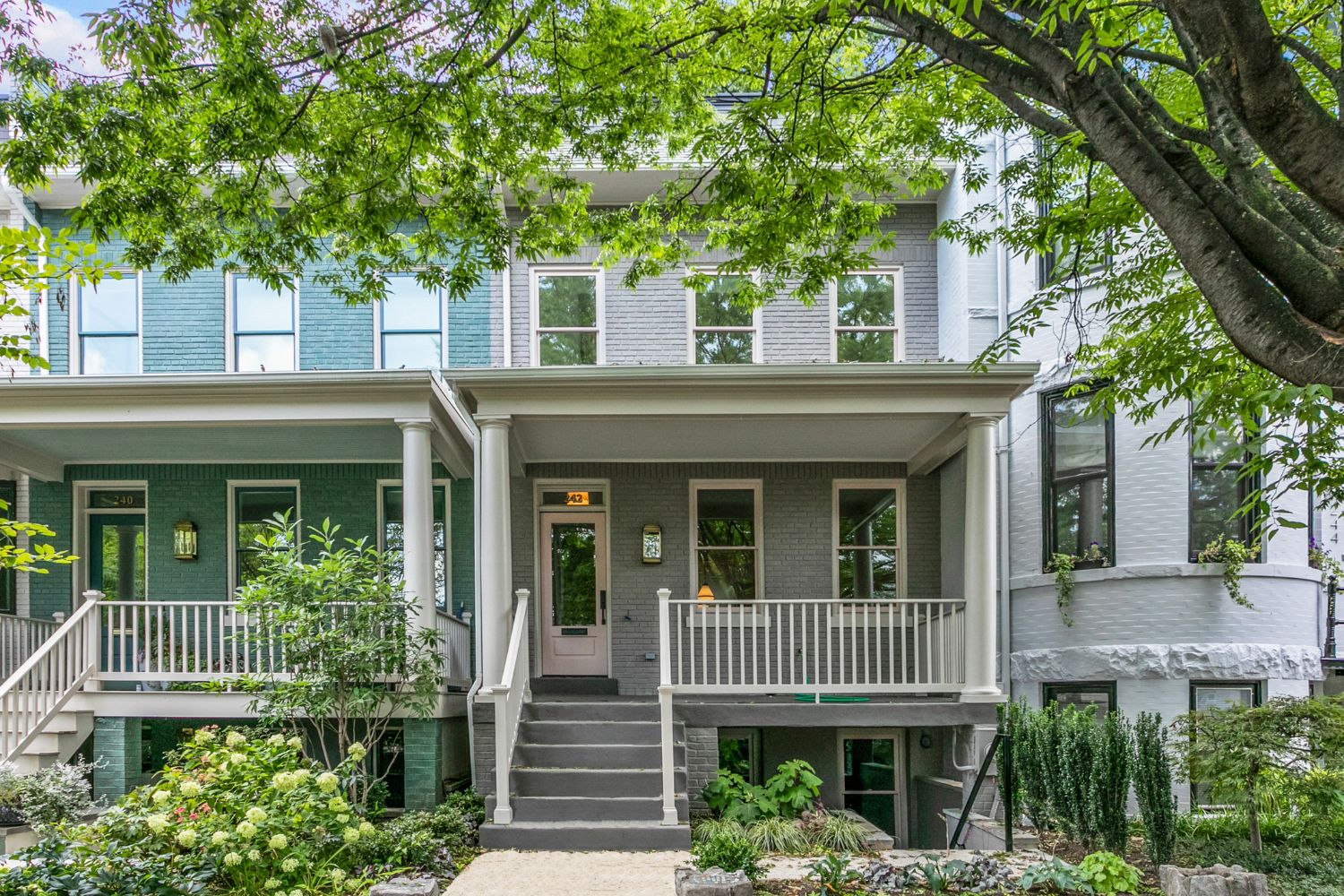
Which Curb Appeal Landscape Ideas Add the Most Value?
Of all the exterior details that shape perceived value, proportion is the one most homeowners get wrong — and it costs them more than they realize.
Plant palette: Resist the urge to create a botanical garden in your front yard. A neutral green palette with seasonal accents of color creates a sophisticated, restful impression. Think of your foundation plantings as the supporting cast: consistent, reliable, green structure. Then add your personality through seasonal color in containers or bedded annuals. This approach also reads as low-maintenance to buyers, which is increasingly important.
Trees: If you have space for even one tree in your front yard, plant one. Trees signal maturity and permanence. They provide scale and frame your home. A well-placed tree can be worth thousands of dollars in perceived value. Dogwoods, redbuds, and Japanese maples are excellent for smaller yards and townhouse frontages. For larger properties, oaks, maples, and elms create the established feel that buyers and neighbors appreciate.
Edging: This seems minor until you see the difference it makes. Clean edging between lawn and beds, between lawn and hardscape, and between different materials creates order. It signals attention to detail. It keeps mulch where it belongs and grass out of your beds. Metal or stone edging installed once will serve you for years and takes minimal maintenance.
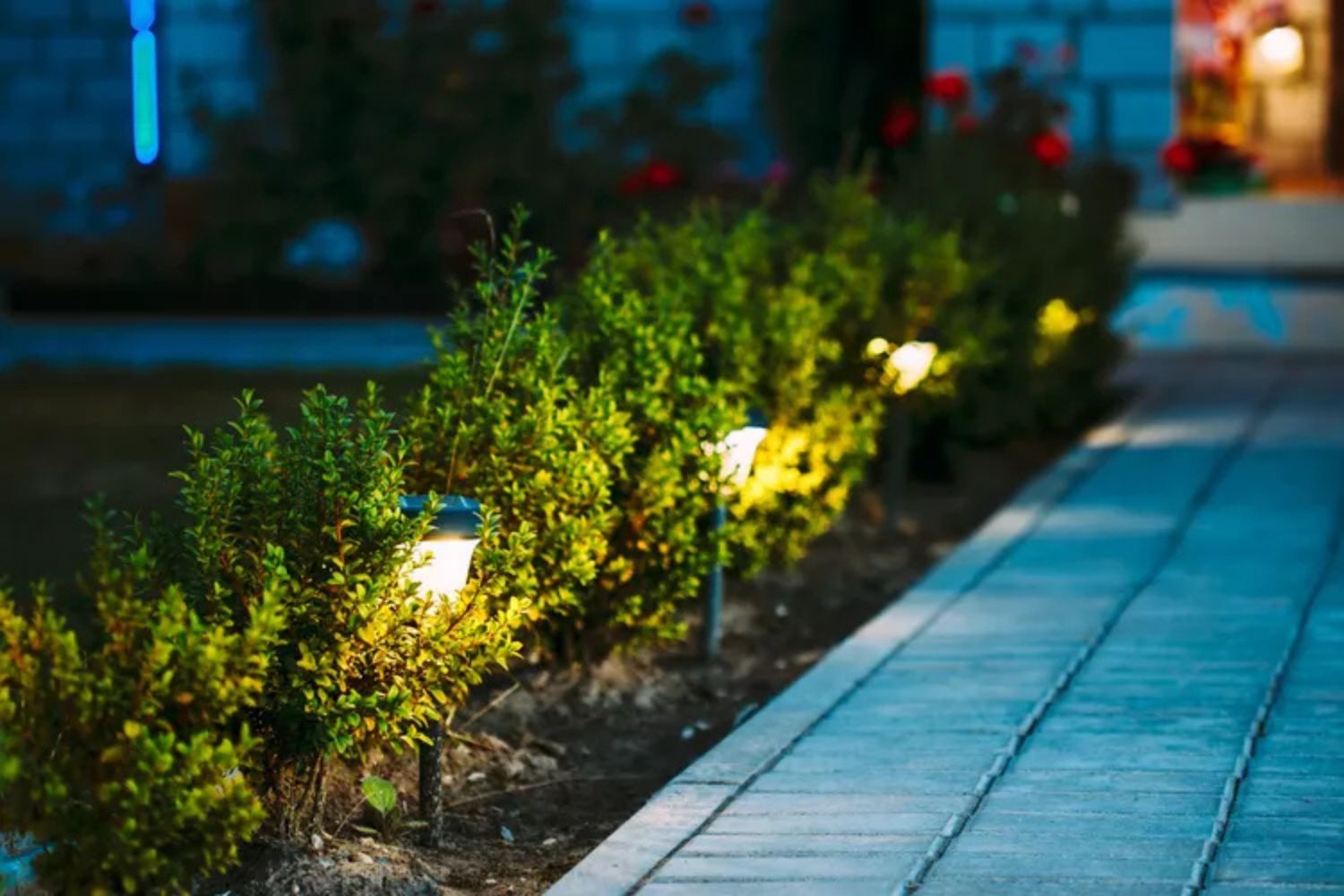
How Landscape Lighting Improves Curb Appeal After Dark
Landscape lighting serves two purposes for DC homeowners preparing to sell: safety for buyers arriving after dark, and the kind of dramatic exterior presence that makes a property memorable from the street.
Most people view their homes during daylight, but buyers often drive by in the evening, and you experience your own home after dark every day. For safety, illuminate steps, walkways, and changes in grade. Path lights should be functional but unobtrusive — you want to see where you are walking without the lighting becoming the focal point. For drama, consider uplighting a beautiful tree, washing light across your facade, or highlighting architectural details.
Low-voltage LED systems are now affordable and energy-efficient. The effect is transformative: your home has presence and dimension after dark, rather than disappearing into shadow.
Front Door Curb Appeal Ideas That Actually Work
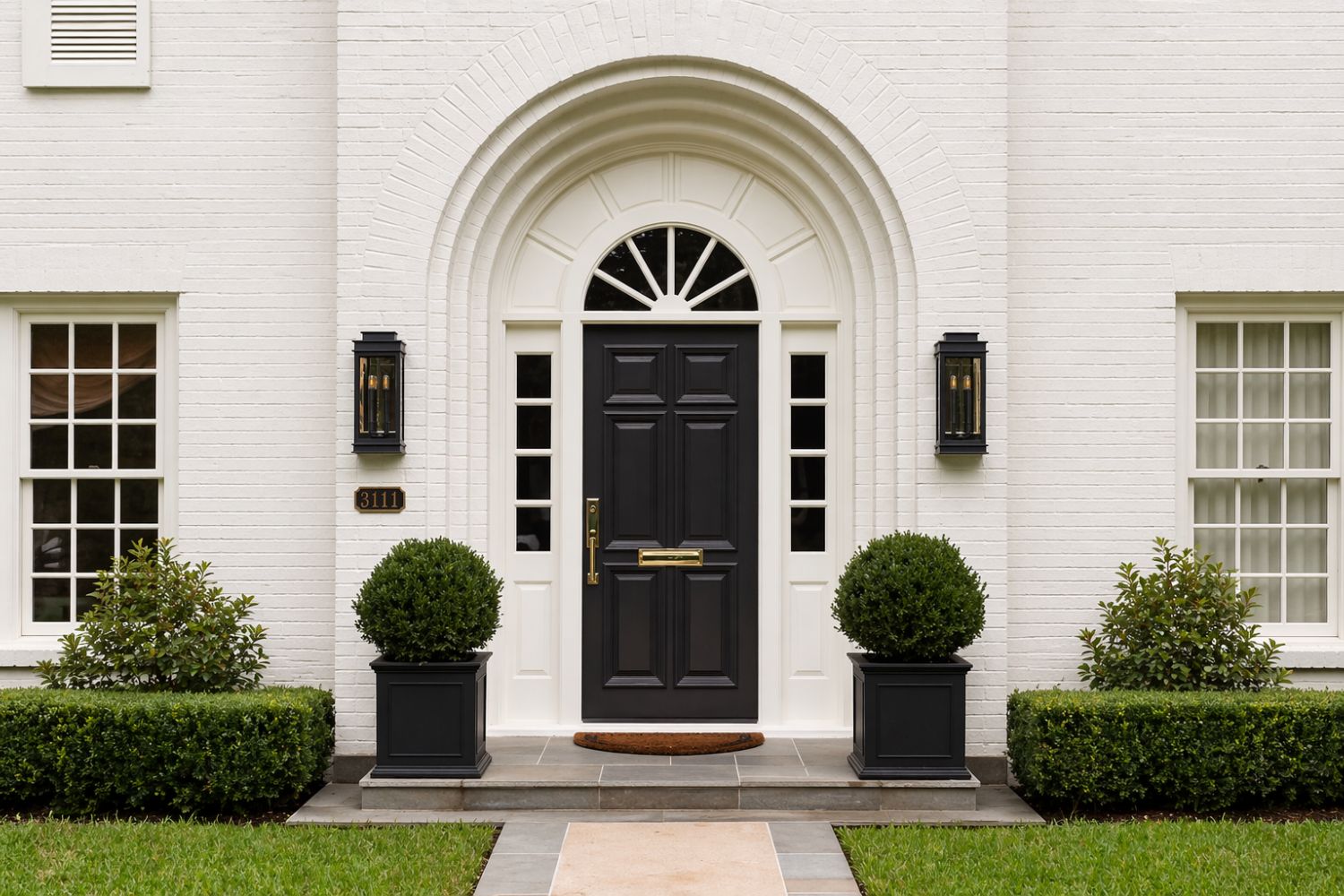
Your front door is the single most scrutinized element of your home's exterior — and the most common place where sellers make style choices that work against their architecture.
Your front door should make sense with your architecture. A sleek modern door on a Colonial Revival house creates cognitive dissonance. A traditional six-panel door on a mid-century modern home looks apologetic. If you are unsure whether your door fits your home's style, spend time looking at homes similar to yours. What are the common door styles? What looks resolved and intentional? Leave the door with a frosted oval window at the store. These are almost always a no-no in my opinion.
The front door light fixture is equally important and consistently gets undersized. When in doubt, go slightly larger. Light fixtures appear smaller once hung than they do in your hand or in the store. A too-small fixture flanking a substantial door looks timid and cheap. The fixture should also match your home's style: traditional lanterns for traditional homes, clean-lined sconces for contemporary architecture.
The Details That Signal Care
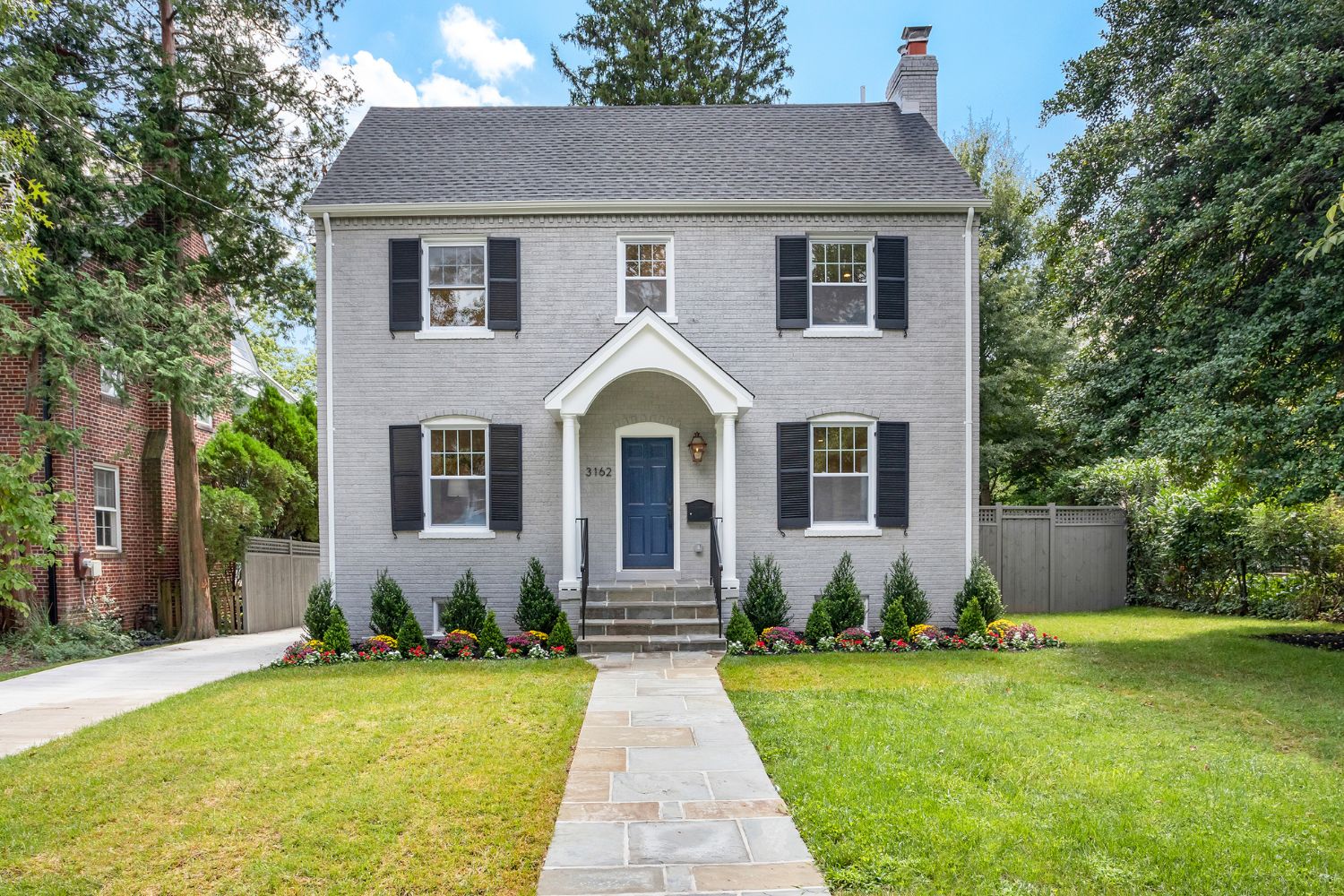
When preparing to sell your home in Washington, DC, the smallest exterior details often carry the most weight — because buyers notice neglect before they notice anything else.
Walk up to your front door as if you are seeing it for the first time. What do you notice?
The welcome mat: If it is worn, faded, or curling at the edges, it is not welcoming anyone. Replace it. This is a thirty-dollar improvement that makes an immediate difference.
Mulch: A fresh two-to-three-inch layer of hardwood mulch in your beds makes everything look renewed and tended. It suppresses weeds, retains moisture, and creates that just-maintained impression. Avoid dyed mulch in unnatural colors — stick with natural brown or black.
Trash cans: They are necessary but unsightly. If possible, tuck them behind a fence, in a side yard, or in your garage. If they must be visible, consider building or buying an enclosure. Even a simple three-sided lattice structure screened with evergreen vines transforms an eyesore into a non-issue.
House numbers: Keep them simple, legible, and proportional. Nothing too large or oddly stylized. Your address should be immediately clear to delivery drivers and emergency services, but it shouldn't dominate your facade. Four-to-six-inch numbers in a finish that complements your hardware is almost always appropriate.
The Bigger Picture
After years in this business and countless hours working in my own garden, I've come to appreciate that curb appeal isn't about impressing the neighbors, though that's a pleasant side effect. It's about creating a sense of arrival, a feeling that this place is cared for and intentional. It's about honoring the architecture and the investment you've made in your home.
Whether you're preparing to welcome prospective buyers or simply want to enjoy coming home each evening, the principles remain the same: respect proportion, maintain consistency, attend to details, and resist the urge to overcomplicate. Spring is offering you the perfect opportunity to reset your home's exterior. The question is simply whether you'll take it.
If you're preparing to list and want specific guidance on where to invest your exterior improvement budget for maximum impact, I'm always happy to walk your property and offer perspective. Sometimes an outside eye sees what we've learned to overlook.
Preparing your home for market begins before a buyer steps inside. If you are considering a sale, a thoughtful exterior plan can help your property make the right first impression.
Plan Your First ImpressionAndrew Smith is a luxury real estate advisor with TTR Sotheby's International Realty, serving buyers and sellers across Washington, DC, Maryland, and Virginia. His approach to real estate is informed by his background in real estate and his belief that how we live matters as much as where we live.
Andrew Smith
Vice President, TTR Sotheby's International Realty
Specializing in Upper Northwest Washington, DC