Chevy Chase, DC
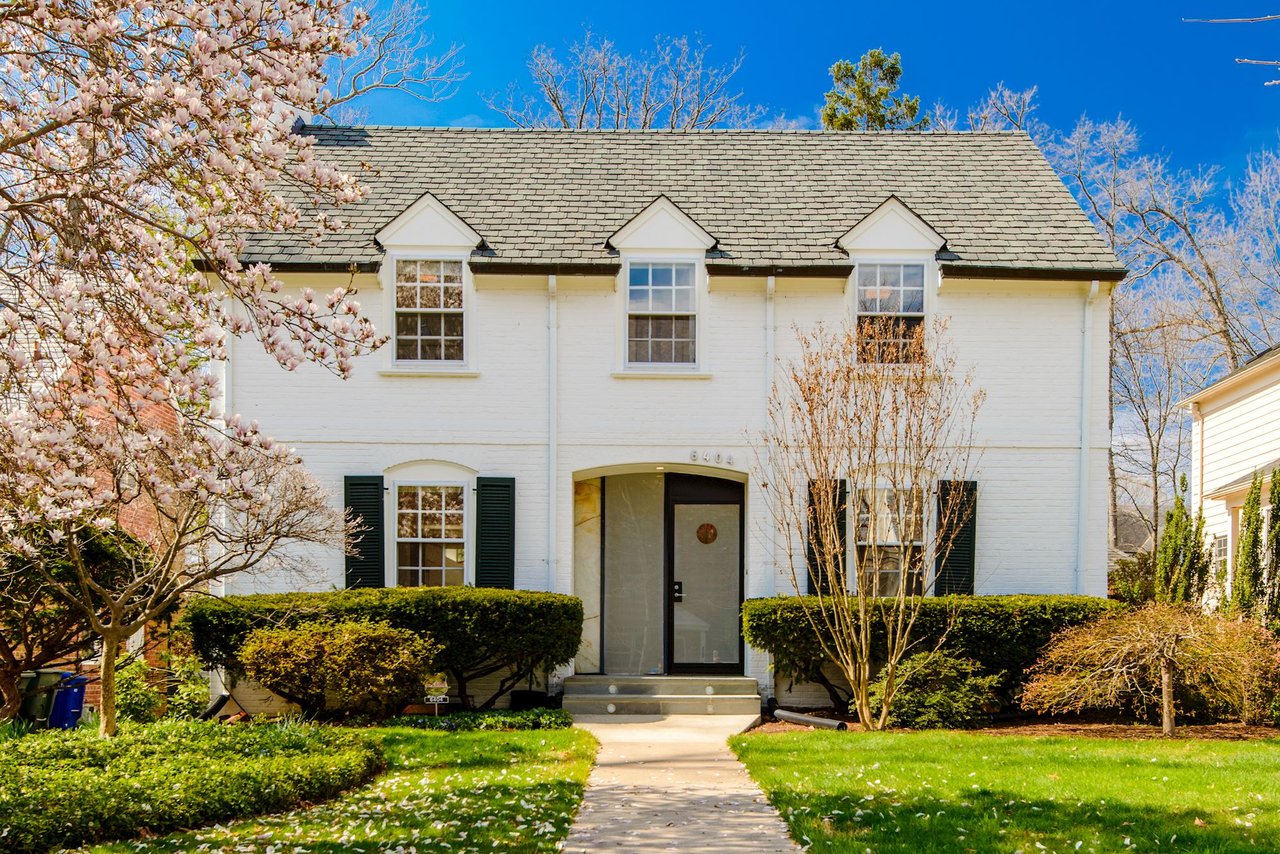
Chevy Chase, DC, occupies a distinctive position in Northwest Washington as a true suburb-in-the-city, where tree-lined streets and early 20th-century residential architecture create a notably peaceful environment minutes from downtown. Developed beginning in 1907 as one of Washington's first streetcar suburbs, this neighborhood extends from Western Avenue at the Maryland border south to Rock Creek Park, characterized by single-family homes in Tudor, Colonial, Cape Cod, and Victorian styles set on well-maintained lawns. Connecticut Avenue provides a village-like commercial corridor anchored by Politics and Prose bookstore and Bread Furst bakery, while the historic Avalon Theatre maintains a cultural tradition dating to 1923. Rock Creek Park's extensive trail system offers immediate access to natural recreation. Residents value the strong sense of community, architectural preservation through historic status overlays, highly regarded Lafayette and Murch elementary schools, and convenient Metro access at Friendship Heights, Van Ness, and Tenleytown stations. Chevy Chase, DC, appeals to those seeking suburban tranquility with urban proximity, established residential character, and a neighborhood identity that balances city advantages with small-town atmosphere.
McLean
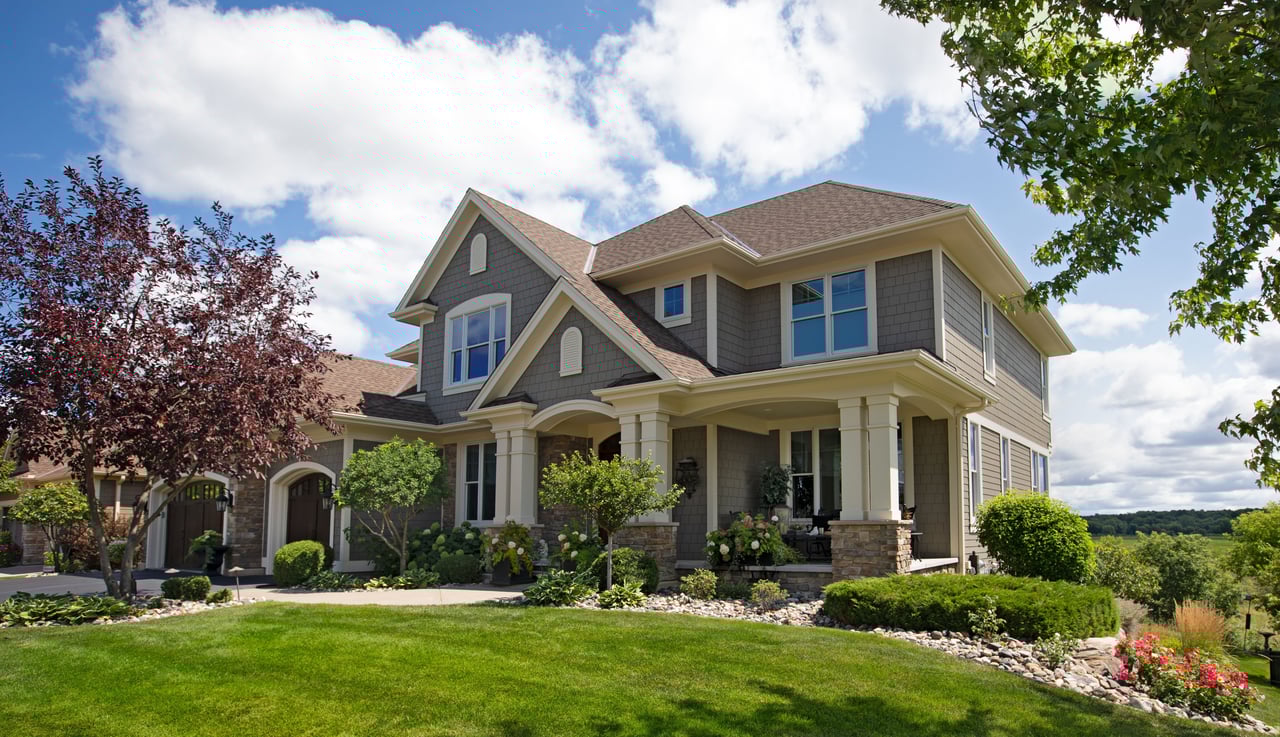
McLean stands as one of Northern Virginia's most sought-after communities, combining proximity to Washington, D.C. with a distinctly suburban character. Nestled in Fairfax County and bordered by the Potomac River, McLean offers tree-lined streets, spacious properties, and easy access to both natural beauty and urban amenities. The community attracts residents seeking career opportunities in the federal government, the diplomatic corps, and the technology sector. Whether you're drawn to the abundance of parks, the convenience of Tysons Corner shopping just minutes away, or the area's natural beauty along the Potomac, McLean delivers a distinctive Northern Virginia lifestyle.
Dupont Circle
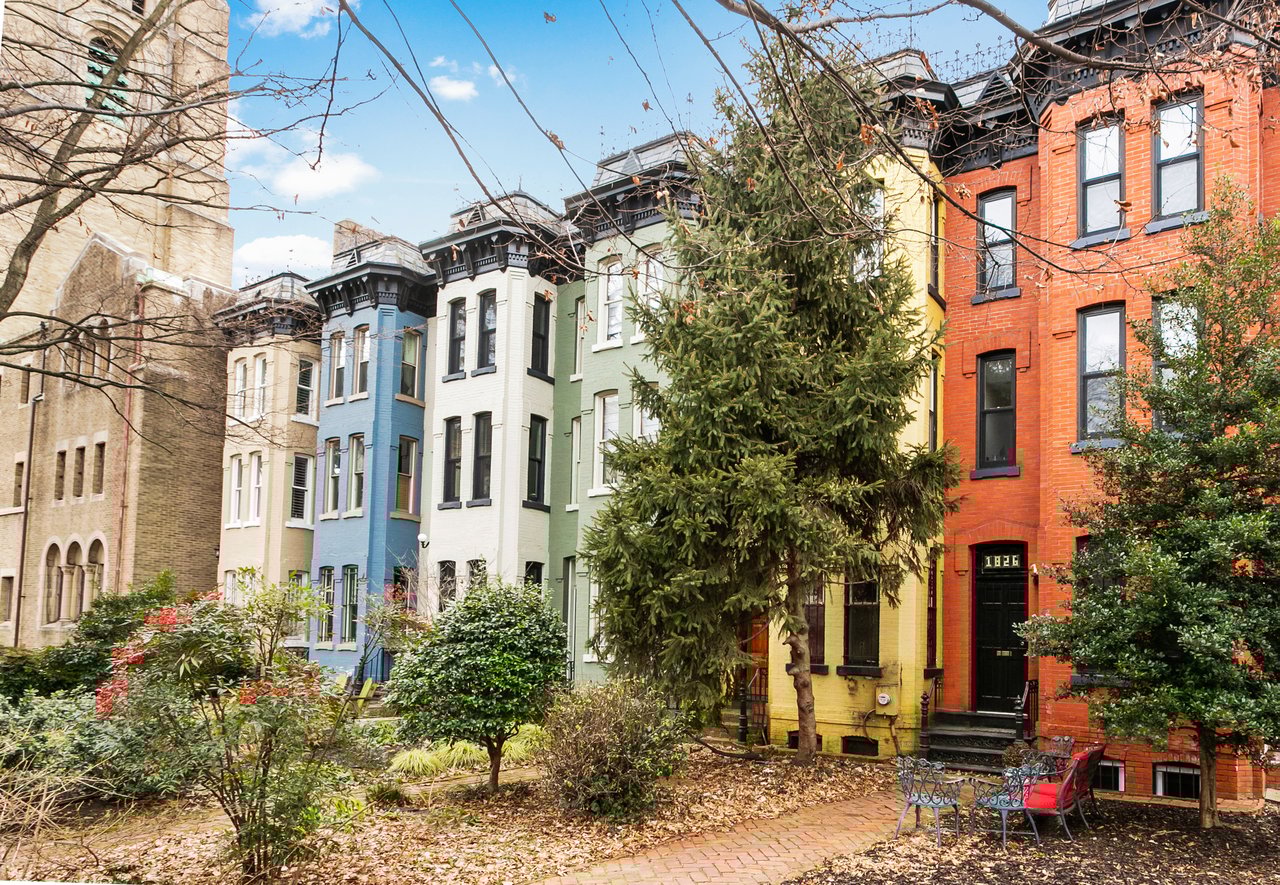
Dupont Circle serves as one of Washington's most dynamic neighborhoods, centered on its iconic fountain and radiating Victorian rowhouses in Northwest DC. This area combines preserved 19th-century architecture with contemporary urban vitality, offering an unparalleled concentration of dining, shopping, and cultural venues along Connecticut Avenue and P Street corridors. The neighborhood provides exceptional walkability, with Metro access, numerous bus lines, and most daily amenities within a few blocks. Residents appreciate the blend of residential side streets that maintain historic character and commercial thoroughfares that deliver constant activity. Dupont Circle appeals to those seeking authentic urban living, architectural beauty, and a neighborhood that functions as a true 24-hour community with international restaurants, late-night venues, and weekend farmers’ market energy.
Cleveland Park
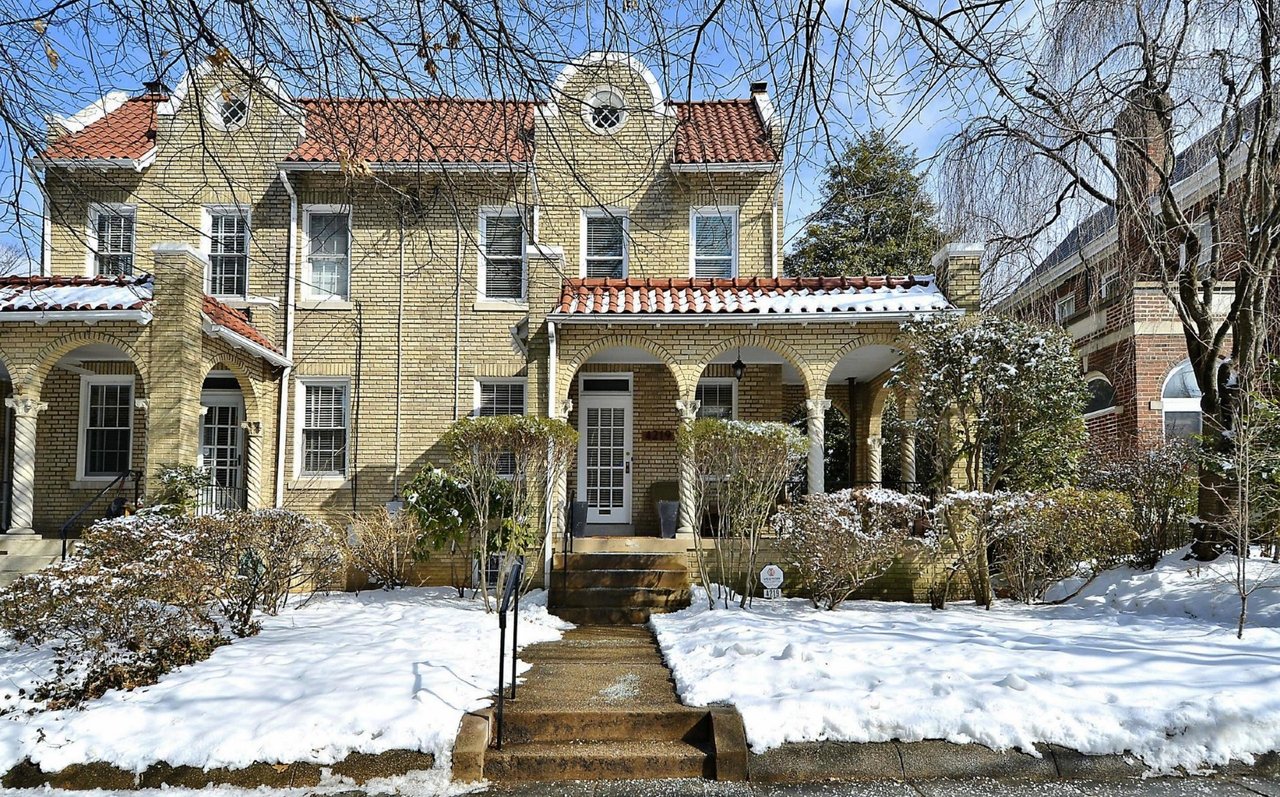
Cleveland Park combines residential grandeur with urban convenience in Northwest DC, extending along Connecticut Avenue between the National Zoo and Van Ness. The neighborhood features impressive early 20th-century architecture, including Colonial Revivals and Tudors on tree-lined streets, while Connecticut Avenue provides Metro access and a thriving commercial corridor. This area offers immediate proximity to Rock Creek Park's extensive trail system, the Smithsonian's National Zoo, and diverse dining and retail options that create neighborhood vitality. Residents value the combination of substantial homes, walkable amenities, and strong transit connectivity. Cleveland Park appeals to those seeking established elegance with the convenience of Metro access and neighborhood services within walking distance.
Woodley Park
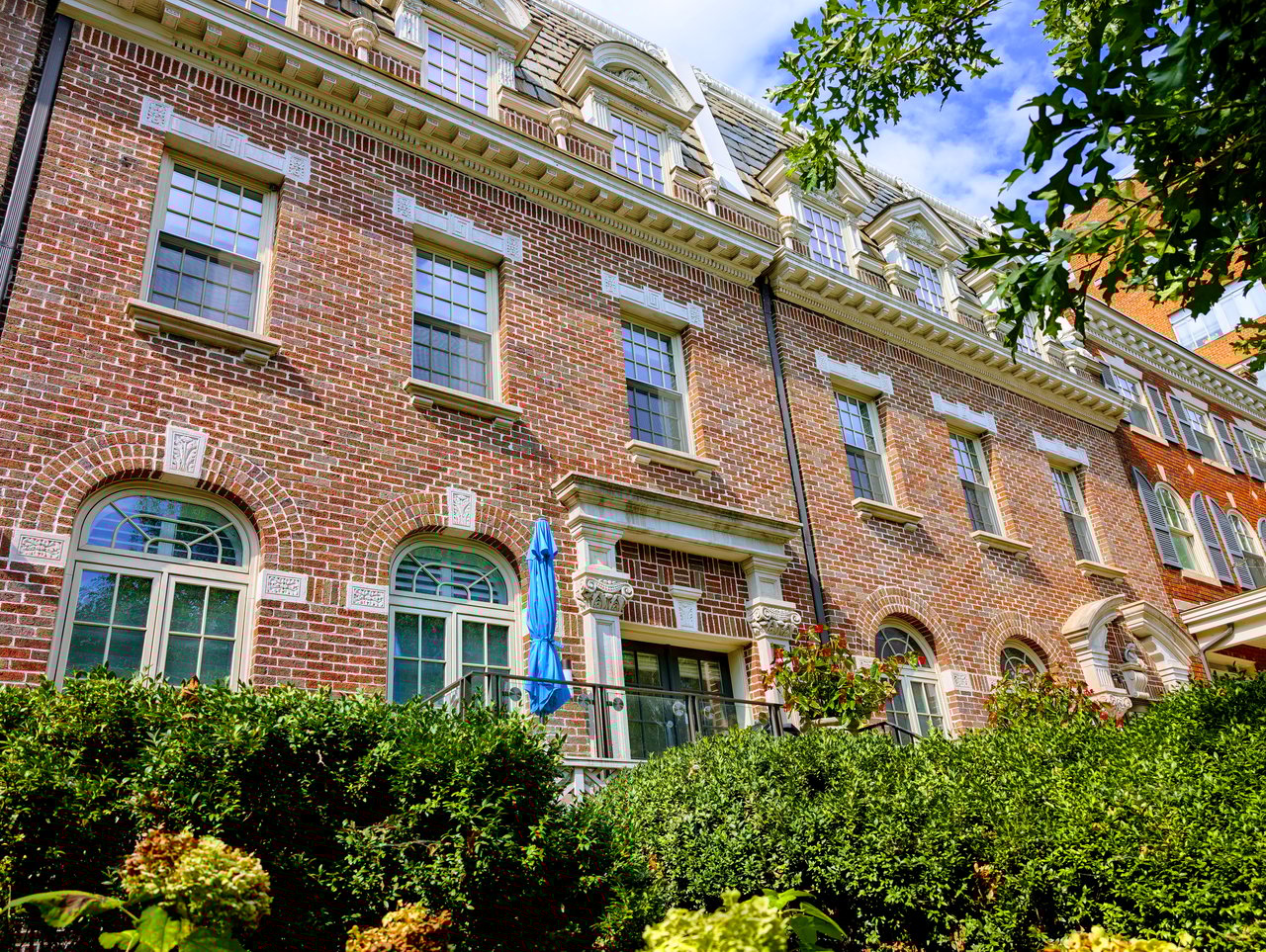
Woodley Park occupies a prime location in Northwest DC between Rock Creek Park and Connecticut Avenue, anchored by the Smithsonian's National Zoo. The neighborhood features a distinctive collection of grand early 20th-century apartment buildings alongside stately rowhouses, creating an architectural character that reflects Washington's development during the era of elegant urban living. Connecticut Avenue provides Metro access and a concentrated corridor of international dining, while proximity to Rock Creek Park offers extensive recreational opportunities. Residents appreciate the combination of walkability, cultural attractions, and neighborhood restaurants that create daily convenience. Woodley Park appeals to those seeking an established neighborhood identity with Metro connectivity and immediate access to both urban dining and natural landscapes.

Alexandria
Alexandria preserves its colonial heritage while functioning as a vibrant city along the Potomac River, with Old Town's cobblestone streets and 18th-century architecture creating a distinctive historic district. The community extends from the waterfront through diverse neighborhoods, offering everything from preserved rowhouses to contemporary developments, all with convenient access to Washington, DC via Metro and the George Washington Parkway. King Street anchors a thriving restaurant and retail corridor, while the waterfront provides parks, dining, and recreational access to the Potomac. Residents appreciate the combination of preserved historic character, walkable urban amenities, and waterfront lifestyle. Alexandria appeals to those seeking an authentic colonial atmosphere, cultural depth, and a community identity that honors its past while embracing contemporary urban living.
Arlington
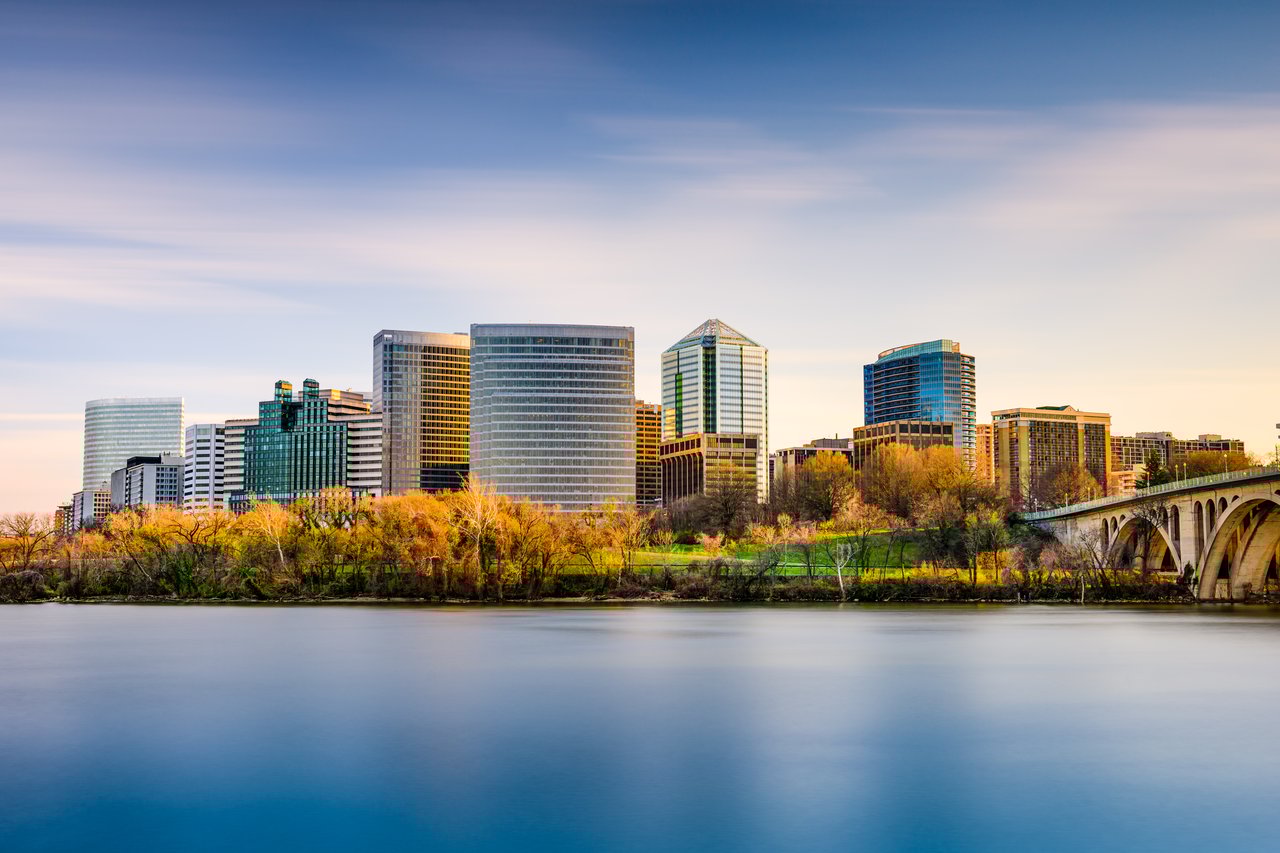
Arlington combines urban convenience with suburban livability across diverse neighborhoods along Virginia's Potomac River border with Washington, DC. This community offers exceptional Metro connectivity, with multiple stations linking residents to the capital while maintaining distinct neighborhood identities from Clarendon's restaurant scene to Rosslyn's high-rise corridor. The area features architectural variety ranging from historic bungalows to contemporary condominiums, alongside extensive parks, trail systems, and the Pentagon and Arlington National Cemetery's significant presence. Residents value the combination of walkable commercial corridors, strong transit access, and neighborhood-specific character that allows choosing between urban energy and residential tranquility. Arlington appeals to those seeking proximity to DC with Virginia's suburban amenities and a community that balances career accessibility with quality of life.
Chevy Chase, MD
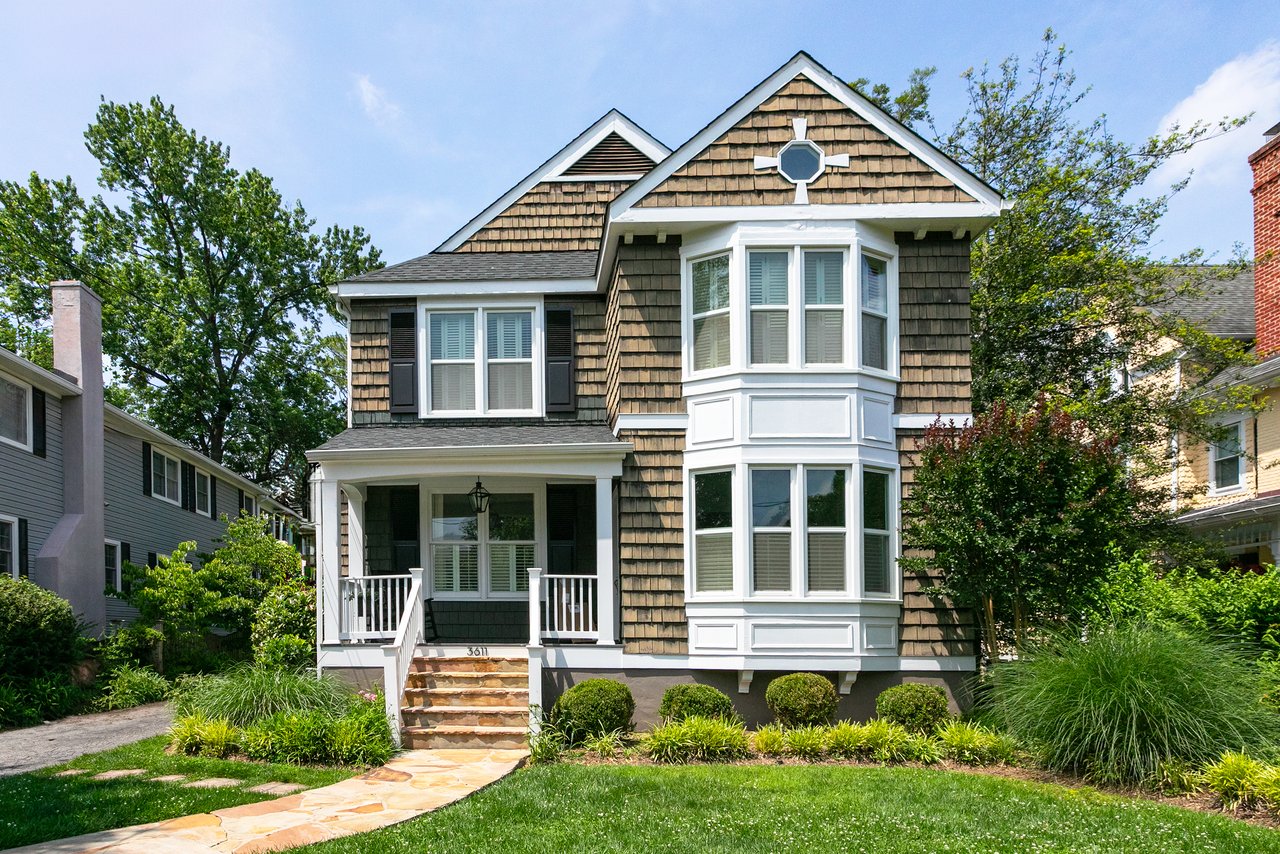
Chevy Chase comprises several municipalities in southern Montgomery County, Maryland, sharing a planned streetcar suburb heritage that dates to the 1890s development by Francis Newlands. This area extends north from the DC border along Western Avenue, characterized by tree-canopied residential streets lined with substantial single-family homes in Tudor, Colonial, and traditional architectural styles set on generous, well-landscaped lots. The neighborhood benefits from immediate proximity to Friendship Heights shopping district, downtown Bethesda's dining and retail concentration, and Connecticut and Wisconsin Avenue corridors. Multiple incorporated villages, including the Town of Chevy Chase and Chevy Chase Village, maintain distinct municipal services while sharing the area's residential character. Montgomery County Public Schools serve the area, with highly regarded institutions including Somerset Elementary and Bethesda-Chevy Chase High School. Residents appreciate the suburban atmosphere with mature landscaping, a strong sense of community within individual villages, convenient access to Washington via Metro and major thoroughfares, and property values that reflect the area's established prestige. Chevy Chase, Maryland, appeals to those seeking a distinguished suburban address, excellent schools, and convenient access to both Washington and Bethesda's urban amenities.
Bethesda
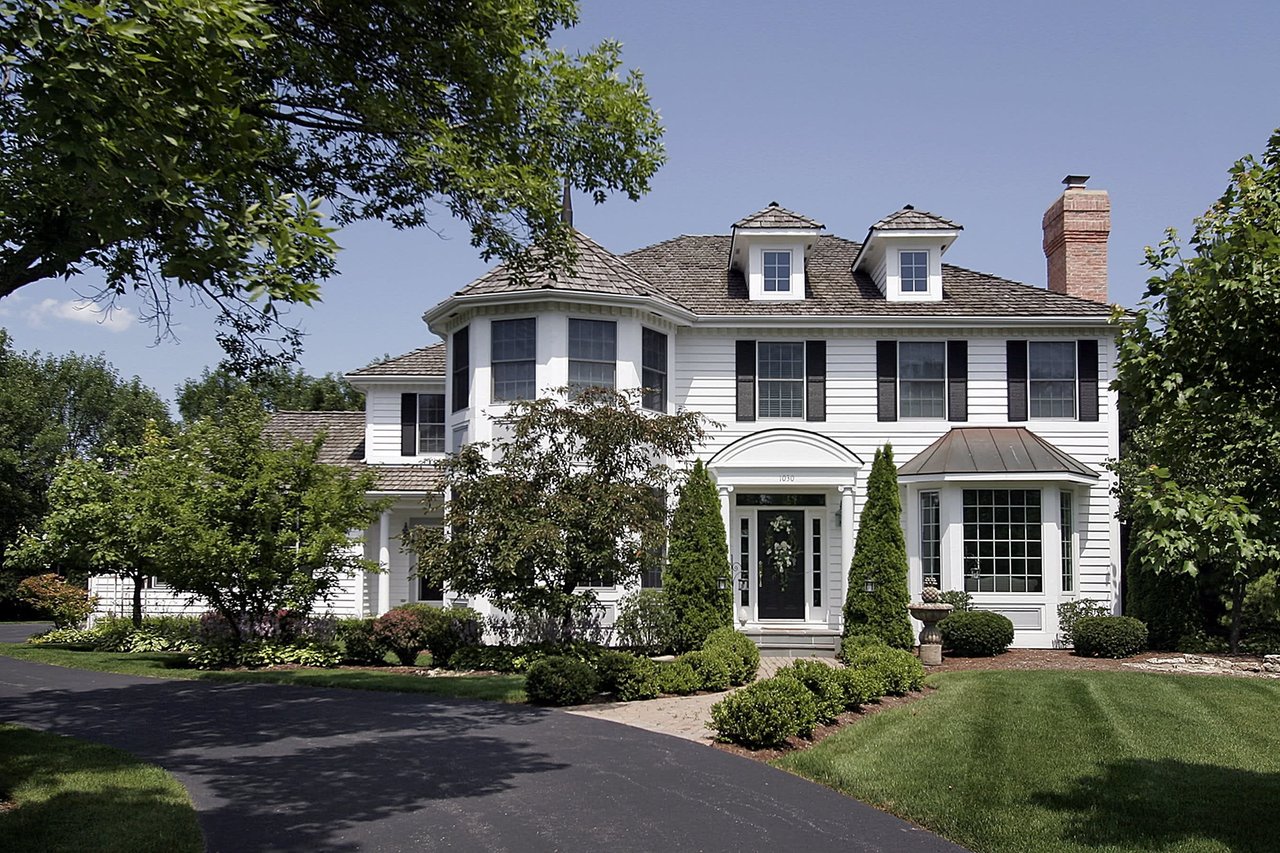
Bethesda has evolved into one of the Washington region's most sophisticated suburban centers, combining Metro accessibility with a concentrated downtown dining and retail scene. Located in Montgomery County, Maryland, just beyond DC's northwest border, the community offers architectural diversity from mid-century modern homes to contemporary developments, alongside tree-lined residential streets maintaining suburban character. The downtown area features nationally recognized restaurants, upscale shopping at Bethesda Row, and cultural venues creating urban energy, while surrounding neighborhoods provide spacious properties and strong community identity. Residents value the combination of Metro connectivity, walkable downtown amenities, and proximity to the National Institutes of Health and Walter Reed medical complex. Bethesda appeals to those seeking suburban space with urban sophistication and convenient access to Washington.
Kalorama
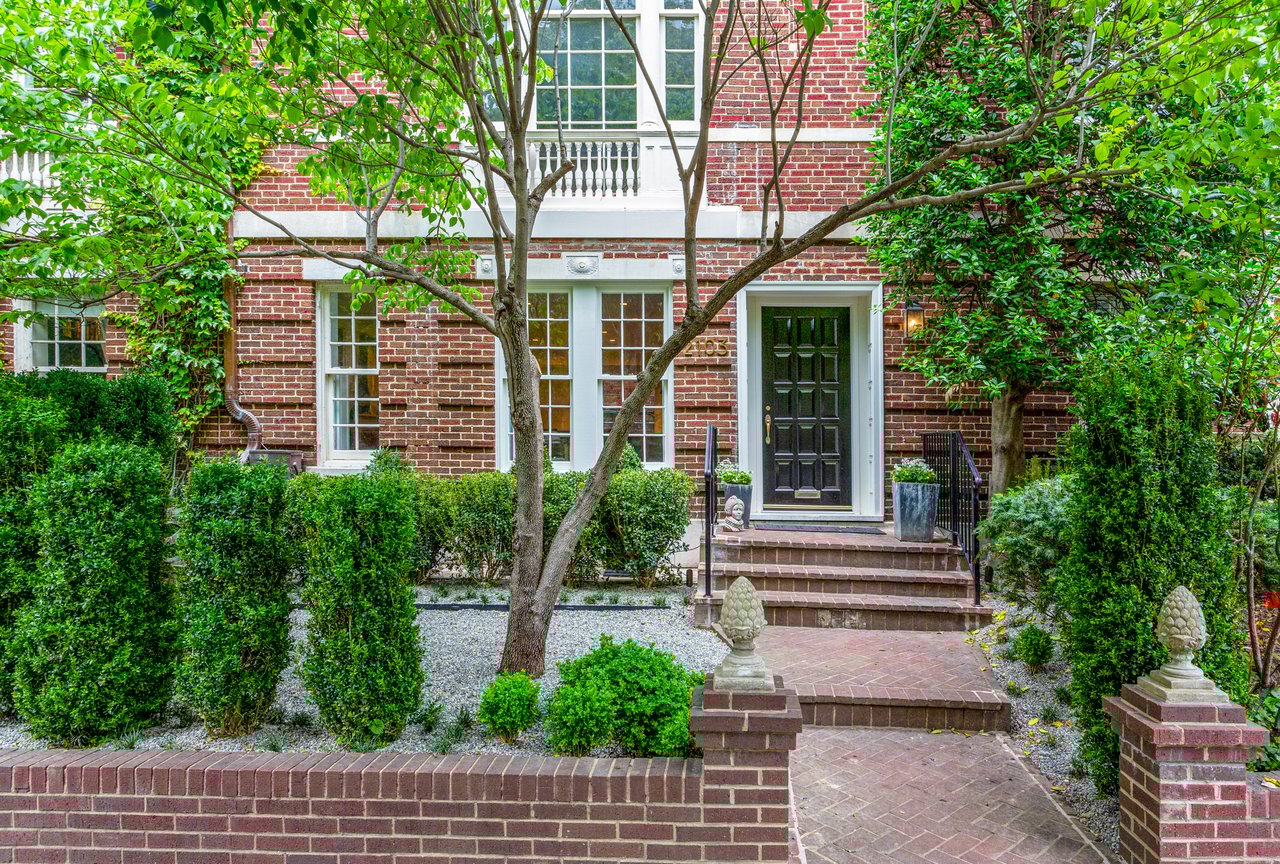
Kalorama represents one of Washington's most prestigious addresses, occupying elevated terrain in Northwest DC between Dupont Circle and Adams Morgan. The neighborhood showcases extraordinary Beaux-Arts architecture, grand embassies, and diplomatic residences set along curving, tree-canopied streets designed to follow the natural topography. This area combines residential exclusivity with proximity to Dupont Circle's commercial vitality and Adams Morgan's dining diversity. Residents value the neighborhood's architectural distinction, international character created by the embassy presence, and notably peaceful streets despite its central location. Kalorama appeals to those seeking historic grandeur, diplomatic atmosphere, and a neighborhood identity recognized for sophisticated elegance and cultural significance.
Capitol Hill
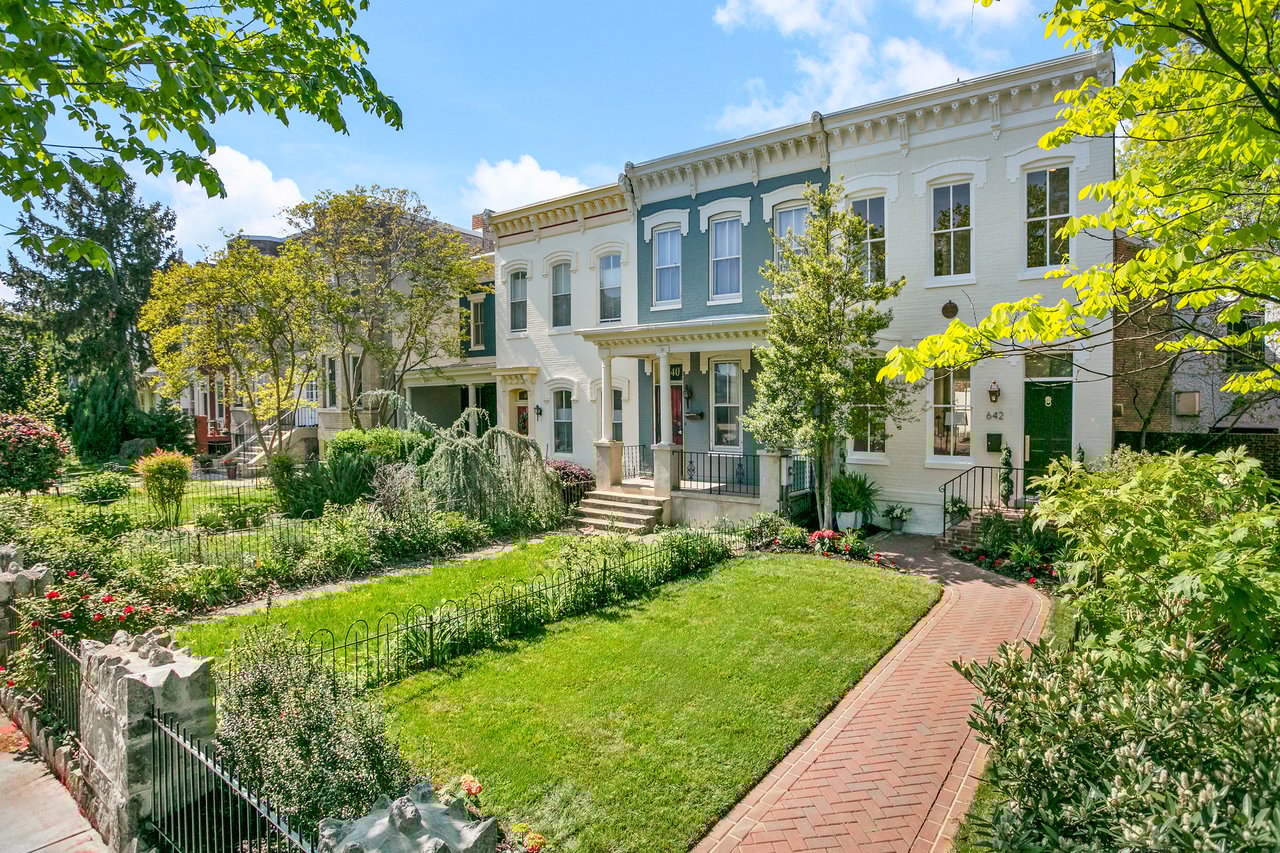
Capitol Hill anchors Washington's civic and residential identity, extending eastward from the U.S. Capitol through the District's largest historic residential neighborhood. This area combines the nation's most iconic government buildings with an authentic neighborhood character defined by Victorian and Federal rowhouses, tree-lined streets, and commercial corridors along Pennsylvania Avenue, Barracks Row, and H Street. The 1873 Eastern Market remains a community gathering place, while Barracks Row's 8th Street corridor delivers concentrated dining and retail energy. Residents value the neighborhood's walkability, with Capitol South, Eastern Market, and Potomac Avenue Metro stations providing excellent transit access. Capitol Hill appeals to those seeking historic architecture, strong community identity, and the unique experience of living where American democracy functions daily, all while maintaining the rhythms of authentic neighborhood life.
Shaw
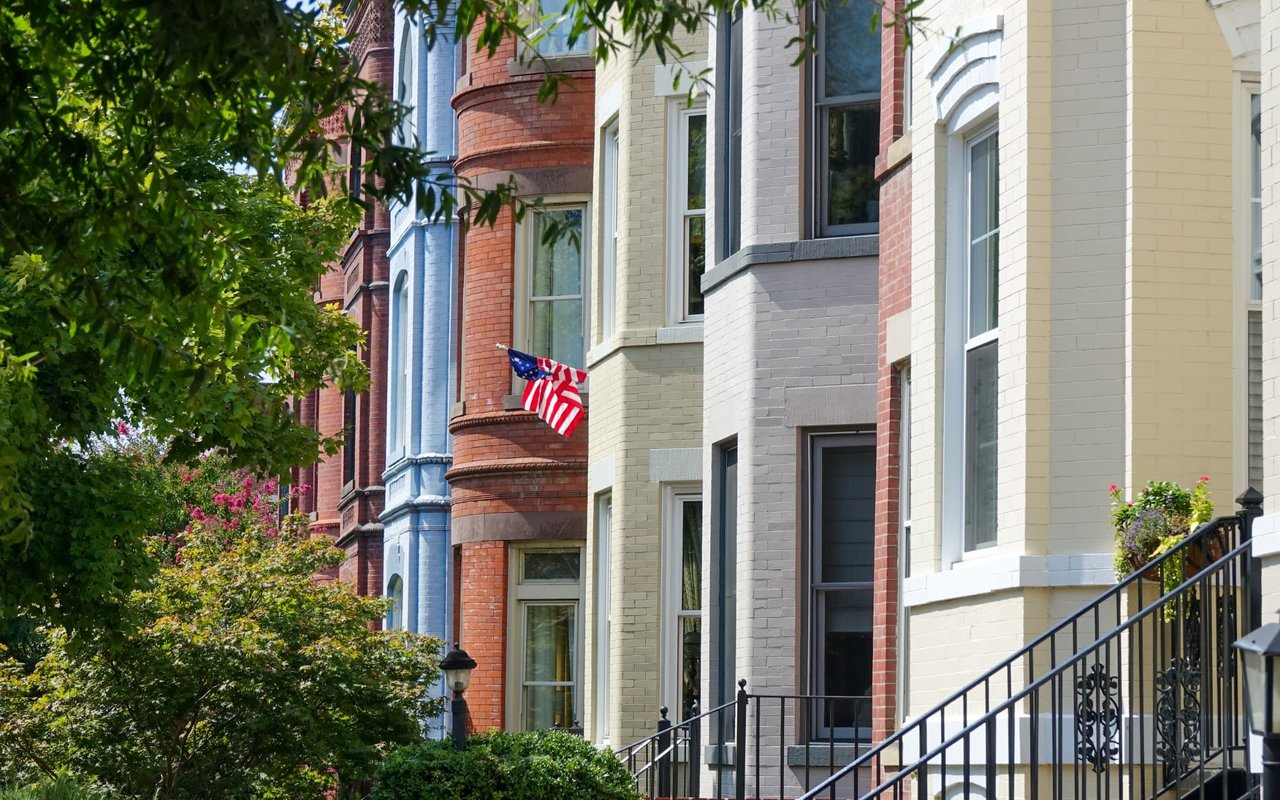
Shaw emerged as the center of African-American intellectual and cultural life before Harlem, and today it combines that profound historic legacy with one of Washington's most dynamic dining and entertainment scenes. This Northwest DC neighborhood extends from Florida Avenue to downtown, characterized by Victorian rowhouses, historic alleyways like Blagden Alley, and commercial corridors along 7th and 9th Streets that showcase everything from acclaimed fine dining to Ethiopian restaurants. The legendary Howard Theatre, 9:30 Club, and Lincoln Theatre maintain the area's performance tradition, while The Dabney, Causa, and Oyster Oyster have earned national acclaim. Shaw-Howard U and Mt Vernon Square Metro stations provide excellent transit access. Residents value the neighborhood's authentic cultural heritage, architectural character, concentrated amenities within walking distance, and an energy that balances historic preservation with contemporary urban vitality. Shaw appeals to those seeking a neighborhood where history remains present, creativity thrives, and city living delivers constant discovery.