Kalorama: Washington's Most Refined Hidden Gem
Nestled between Dupont Circle and Adams Morgan, Kalorama stands as one of Washington's most distinguished yet understated residential enclaves. The neighborhood's very name, derived from the Greek for "beautiful view," speaks to its elevated topography and the refined sensibility of those who call it home. Here, grand embassies share tree-lined streets with historic mansions and elegant apartment buildings, creating an atmosphere of quiet sophistication that feels worlds away from the city's bustle, despite being mere minutes from its most vibrant destinations.
This is a neighborhood where ambassadors, cultural luminaries, and discerning professionals have long maintained residence. Presidents Warren G. Harding, William Howard Taft, Woodrow Wilson, and Franklin D. Roosevelt all chose Kalorama as their Washington address at various points. The French Ambassador's residence, a magnificent Beaux-Arts mansion, stands as one of the neighborhood's most prominent diplomatic properties, representing the enduring international character that defines these streets. With Dupont Circle's cultural amenities to the south and Georgetown's storied streets to the west, Kalorama offers proximity to everything while retaining an almost village-like sense of place.
What Makes Kalorama a Distinctive Washington Neighborhood?
Kalorama distinguishes itself through an exceptional convergence of diplomatic presence, architectural heritage, and residential serenity. The neighborhood serves as home to more than 50 embassies and ambassadorial residences, including the prestigious French Ambassador's residence on Kalorama Circle. This diplomatic concentration infuses the streets with international sophistication while maintaining a remarkably quiet, residential character. Unlike Washington's more commercial districts, Kalorama preserves an almost European sensibility, where grand homes sit behind mature landscaping and neighbors greet one another during evening strolls.
The neighborhood's distinguished residential history extends beyond diplomatic circles. Throughout the 20th century, Kalorama attracted the capital's most influential figures. Former Secretary of State Rex Tillerson, Amazon founder Jeff Bezos, and the Obama family have all maintained residences here. This tradition of prominent residents reflects the neighborhood's enduring appeal to those who value privacy, architectural distinction, and proximity to the centers of power without the accompanying public scrutiny.
The topography itself contributes to the neighborhood's singular appeal. Perched on elevated terrain, Kalorama's rolling streets offer architectural drama and genuine views, rare commodities in the otherwise flat District. This elevation, combined with the neighborhood's mature tree canopy and limited through-traffic, creates an atmosphere of peaceful seclusion that belies its central location between two of the city's most dynamic commercial corridors.
What Architectural Styles Define Kalorama's Streetscapes?
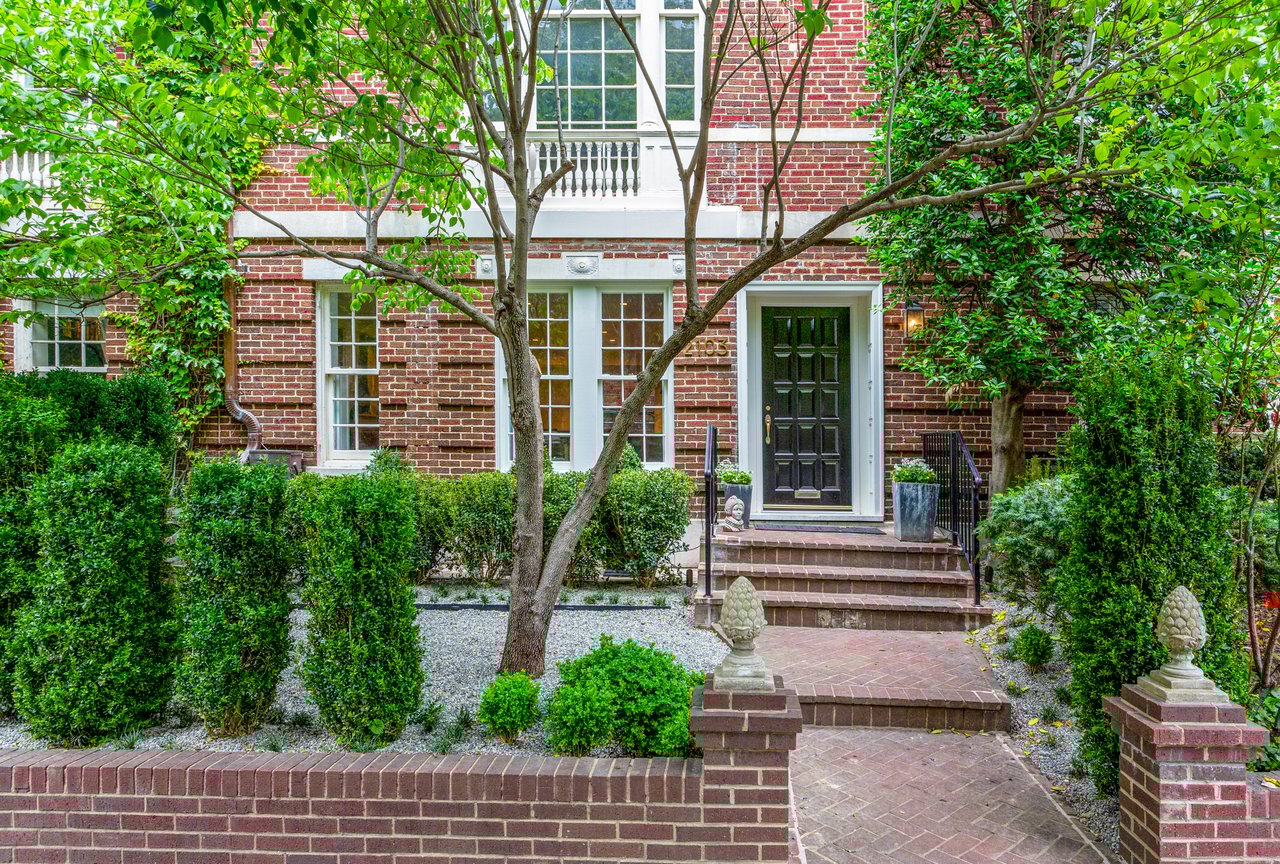
Kalorama's built environment reflects the neighborhood's development during Washington's Gilded Age and early 20th century, when the city's most prominent architects created estates for the capital's elite. Grand Beaux-Arts mansions, including the French Ambassador's residence and numerous other diplomatic properties, stand alongside elegant Colonial Revival homes. The neighborhood showcases exceptional examples of period architecture, with limestone facades, substantial proportions, and meticulous detailing that reflect an era of uncompromising craftsmanship.
Beyond the grand single-family estates, Kalorama features distinguished apartment buildings that represent some of Washington's finest residential architecture. These mid-rise structures, typically dating from the 1920s and 1930s, offer gracious layouts, period details, and the kind of solid construction increasingly rare in contemporary development. Many feature elegant lobbies, original hardware, and generous room proportions that appeal to those seeking both historic character and refined urban living.
The neighborhood's commitment to preservation ensures that this architectural heritage remains intact. Strict historic protections maintain the streetscape's cohesive character while allowing sensitive renovations that bring modern amenities to these distinguished structures.
Where Do Kalorama Residents Dine and Gather?
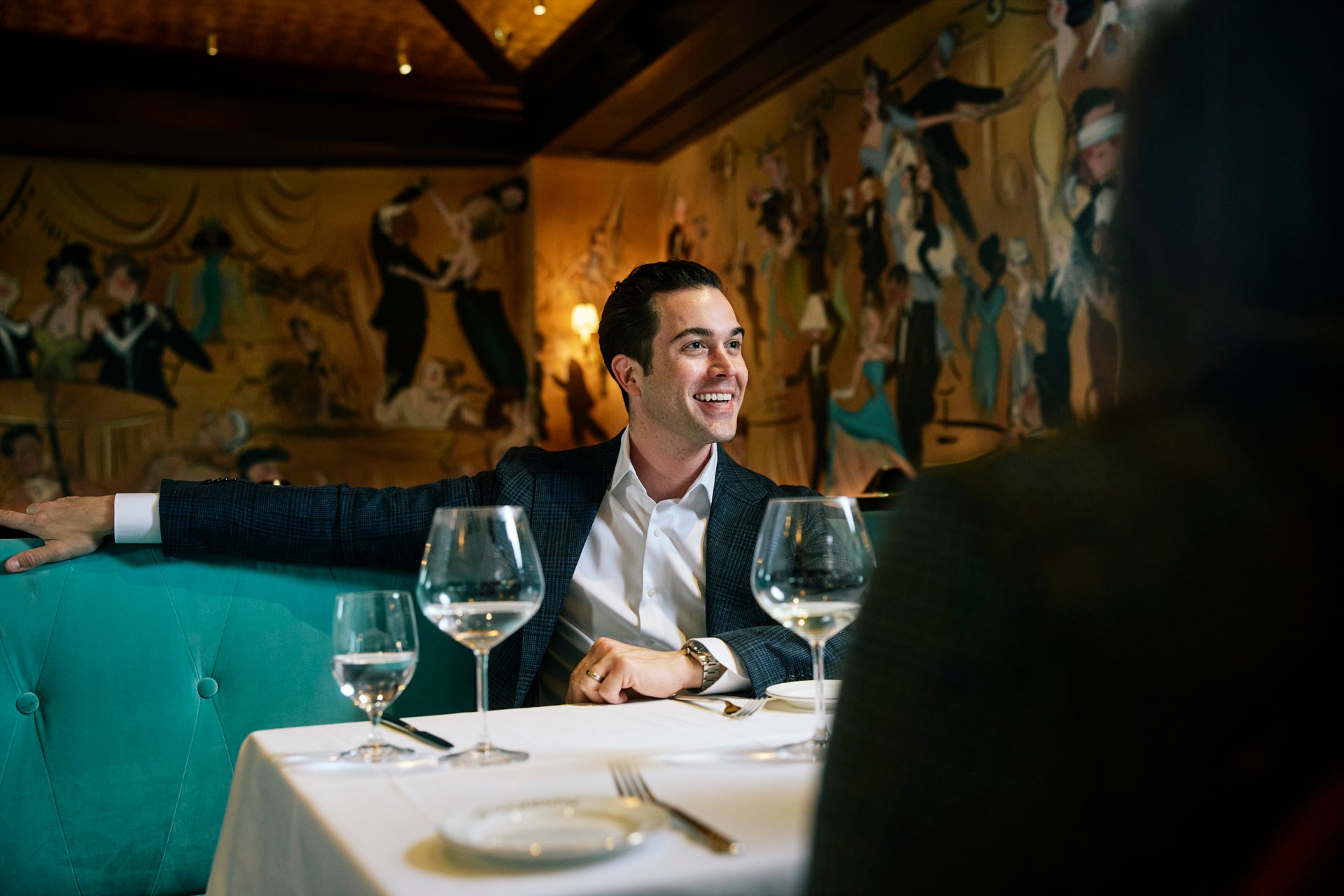
While Kalorama itself maintains a primarily residential character, the neighborhood's strategic location provides effortless access to exceptional dining. Annabelle, the neighborhood's own destination restaurant, brings modern American cuisine to a sophisticated setting, offering residents a refined option for both special occasions and comfortable regularity. The restaurant's seasonal approach and carefully curated wine program reflect the discerning tastes of the surrounding community.
For daily conveniences and casual dining, Dupont Circle's vibrant restaurant scene lies just minutes to the south, offering everything from intimate bistros to established fine dining institutions. The corridor along Connecticut Avenue provides numerous options for morning coffee, casual lunches, and evening cocktails, all within comfortable walking distance.
The neighborhood's proximity to Adams Morgan expands dining options further, though many Kalorama residents appreciate having this entertainment district nearby without the accompanying noise and activity on their own quiet streets. Georgetown's historic dining establishments and upscale shops remain equally accessible, typically just a brief drive or pleasant bike ride away.
What Recreational Amenities and Green Spaces Serve the Neighborhood?
Mitchell Park anchors Kalorama's outdoor recreation, providing a landscaped gathering space where neighbors convene for casual conversation, children's play, and community events. The park's mature trees and thoughtful design create an intimate scale that reflects the neighborhood's residential character, offering a peaceful retreat without the crowds of larger district parks.
The Spanish Steps, perhaps Kalorama's most iconic feature, connect the upper neighborhood to the commercial corridor below through a dramatic cascade of landscaped terraces. Beyond their practical function, the steps serve as a social space where residents pause during walks and visitors marvel at this unexpected urban design element that recalls European precedents.
For fitness-minded residents, several premium facilities operate within close proximity. Equinox maintains a location accessible to the neighborhood, offering comprehensive fitness programming in elevated surroundings. Vida Fitness provides another upscale option, with extensive equipment and group classes. Specialized studios including Solidcore, various pilates studios, and yoga centers cater to those seeking focused practices in boutique environments.
Rock Creek Park's extensive trail system lies nearby, providing opportunities for running, cycling, and nature walks within one of the nation's largest urban parks. The park's wooded paths offer a remarkable contrast to the urban environment, accessible within minutes from Kalorama's streets.
What Schools Serve Kalorama Families?
Kalorama falls within the boundaries of several District of Columbia Public Schools. Families should consult current DCPS enrollment information for specific school assignments and program details, as boundaries and school offerings may change.
Many Kalorama families also consider Washington's extensive independent school options. The neighborhood's location provides convenient access to numerous established private institutions throughout Northwest Washington, though families should research current programs and admissions processes independently.
What Defines the Kalorama Demographic Profile?
Kalorama attracts an international and culturally sophisticated demographic, drawn by the neighborhood's diplomatic character and refined residential environment. The substantial embassy presence naturally brings diplomatic families and foreign service professionals, contributing to the neighborhood's cosmopolitan atmosphere. Long-term residents include established professionals, cultural figures, and those who value privacy and architectural distinction above trendy commercial amenities.
The neighborhood's history of attracting prominent residents continues today, with political leaders, business executives, and cultural luminaries maintaining addresses on these quiet streets. This tradition reflects Kalorama's unique ability to offer both genuine privacy and proximity to Washington's centers of influence.
The neighborhood appeals particularly to those seeking a genuinely quiet residential environment without sacrificing urban convenience. Unlike Washington's more family-oriented suburbs or its bustling commercial districts, Kalorama offers a middle path: sophisticated urbanism with village-scale tranquility. This balance attracts empty nesters, professional couples, and international residents who appreciate both the neighborhood's dignified character and its strategic location.
Property values reflect this rare combination of attributes, with Kalorama consistently ranking among Washington's most prestigious addresses. The neighborhood's limited housing stock, historic protections, and enduring appeal create sustained demand among discerning buyers seeking authentic architectural character in a truly distinguished setting.
Frequently Asked Questions About Kalorama
Is Kalorama a good neighborhood in Washington DC? Kalorama ranks among Washington's most distinguished and sought-after residential neighborhoods, known for exceptional architecture, diplomatic presence, and quiet sophistication in a central location.
What is Kalorama known for? Kalorama is known for its concentration of embassies and ambassadorial residences, including the French Ambassador's residence, grand early 20th-century architecture, the iconic Spanish Steps, and its role as home to numerous presidents and prominent figures throughout Washington's history.
What famous people have lived in Kalorama? Kalorama has been home to Presidents Warren G. Harding, William Howard Taft, Woodrow Wilson, and Franklin D. Roosevelt, as well as more recent residents including the Obama family, Jeff Bezos, and numerous ambassadors and cabinet members.
How walkable is Kalorama? Kalorama offers excellent walkability to Dupont Circle's commercial amenities, with Georgetown and Adams Morgan also accessible on foot or by bike, though the neighborhood's elevated topography includes some steep streets.
What is the relationship between Kalorama and Dupont Circle? Kalorama sits directly north of Dupont Circle, with the Spanish Steps and other streets providing pedestrian connections between the residential neighborhood above and the commercial district below, allowing residents to enjoy Dupont's amenities while maintaining residential tranquility.
Where are the Spanish Steps in Washington DC? The Spanish Steps are located in Kalorama, connecting S Street NW down to Decatur Place NW, creating a landscaped pedestrian passage between the elevated neighborhood and the area near Dupont Circle.